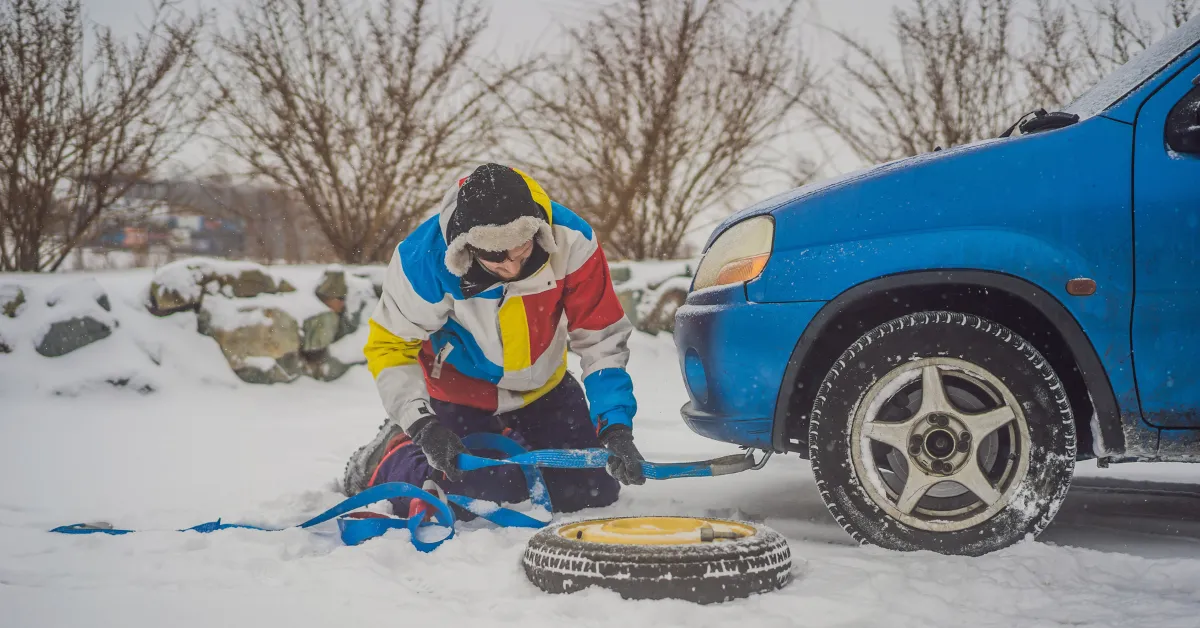

Driving on the highway can be stressful when you suddenly experience a flat tire. Many drivers face this issue because of poor tire maintenance, road hazards, or simple neglect. Understanding how to prevent it can save time, money, and trouble. That’s where a reliable flat tire change service and professional roadside flat tire assistance become important for every driver. A flat tire can happen to anyone at any time, but learning preventive steps can reduce the chances significantly. Keeping your tires in good condition not only prevents emergencies but also ensures your safety. Let’s look at how to avoid getting a flat tire on the highway with simple yet effective tips that every driver should know.
Check Tire Pressure Regularly
The first and most essential step is checking your tire pressure regularly. Underinflated or overinflated tires are more likely to get damaged on the highway. Every tire has a specific pressure level that must be maintained. You can find it on your car door panel or in the manual. Using a pressure gauge once a week keeps you aware of any air loss. If you notice a change, it’s better to visit a mobile flat tire service near you. They can inspect and fix the problem before it becomes an emergency. Regular maintenance will always be your first line of defense against highway breakdowns.
Avoid Road Hazards and Potholes
Another major reason for flat tires is road debris or potholes. When driving on highways, always watch the road ahead for sharp objects or uneven surfaces. Avoiding these can protect your tires from cuts and punctures. If you hit a pothole at high speed, it can cause serious internal damage to your tires. Always drive at a moderate speed and stay alert for debris on the road. In case of any unusual vibration or noise, contact an emergency flat tire repair service immediately. They can reach your location quickly and make sure your vehicle is safe to continue the trip. Prevention starts with awareness while driving.
Rotate and Align Your Tires
Proper tire rotation and alignment also play a big role in preventing flat tires. Tires wear out unevenly if not rotated regularly. This leads to weak spots that can burst while driving fast on highways. Rotating your tires every 5,000 to 7,000 miles helps maintain even wear. If your car pulls to one side, get your alignment checked. Poor alignment can put extra stress on your tires. Keeping your tires balanced and aligned increases their life span. If you ever face sudden damage, roadside flat tire assistance can be a lifesaver. Professional help ensures the job is done right and safely.
Inspect Tire Tread and Condition
Keeping an eye on tire tread depth is another key factor for safety. Low tread makes your tire more prone to punctures and hydroplaning during rain. Use a penny test by placing a coin into the tread groove. If you can see the top of Lincoln’s head, it’s time for new tires. Never ignore warning signs like cracks or bulges. These indicate tire aging and can lead to blowouts on highways. A simple inspection before long drives can save you from trouble. Always keep a spare tire and the tools ready or rely on tire change roadside help for professional support if needed. Preparedness is the best prevention strategy.
Frequently Asked Questions
1. How often should I check my tire pressure?
You should check your tire pressure at least once a week or before long trips. Regular checks help detect small air leaks before they cause bigger issues.
2. What should I do if I get a flat tire on the highway?
Pull over safely, turn on hazard lights, and call roadside flat tire assistance or mobile flat tire service for quick help. Never try to change a tire in unsafe conditions.
3. Can driving with low tire pressure cause damage?
Yes, low tire pressure increases friction and heat, which can damage the tire structure and reduce its lifespan. Always maintain the correct air pressure.
4. How do I know when my tires need replacement?
If your tread depth is below 2/32 of an inch or if you see cracks or bulges, it’s time to replace them. Worn tires are unsafe, especially at high speeds.
5. Is tire rotation really necessary?
Yes, rotating your tires ensures even wear and prevents weak spots. It also improves traction and fuel efficiency, reducing the chance of sudden flats on highways.
Drive Safely and Maintain Good Habits
Finally, drive with care and attention. Avoid speeding, sharp turns, and sudden braking, especially on rough or hot roads. High heat can affect tire pressure and make the rubber more fragile. Parking in shaded areas when possible also helps protect your tires from sun damage. Take a few minutes each week to inspect your tires visually. Look for nails, stones, or embedded debris that could cause a slow leak. Being proactive reduces the risk of flat tires and helps you enjoy stress-free driving. A trusted flat tire change service can always help when emergencies happen, but the goal is to avoid them altogether with simple care habits.
Contact Georgia Prime Tow for Reliable Flat Tire Help
Stuck with a flat tire? Georgia Prime Tow offers fast, professional roadside flat tire assistance. Call 770-524-2227 or email gaprimetow@gmail.com for quick help.