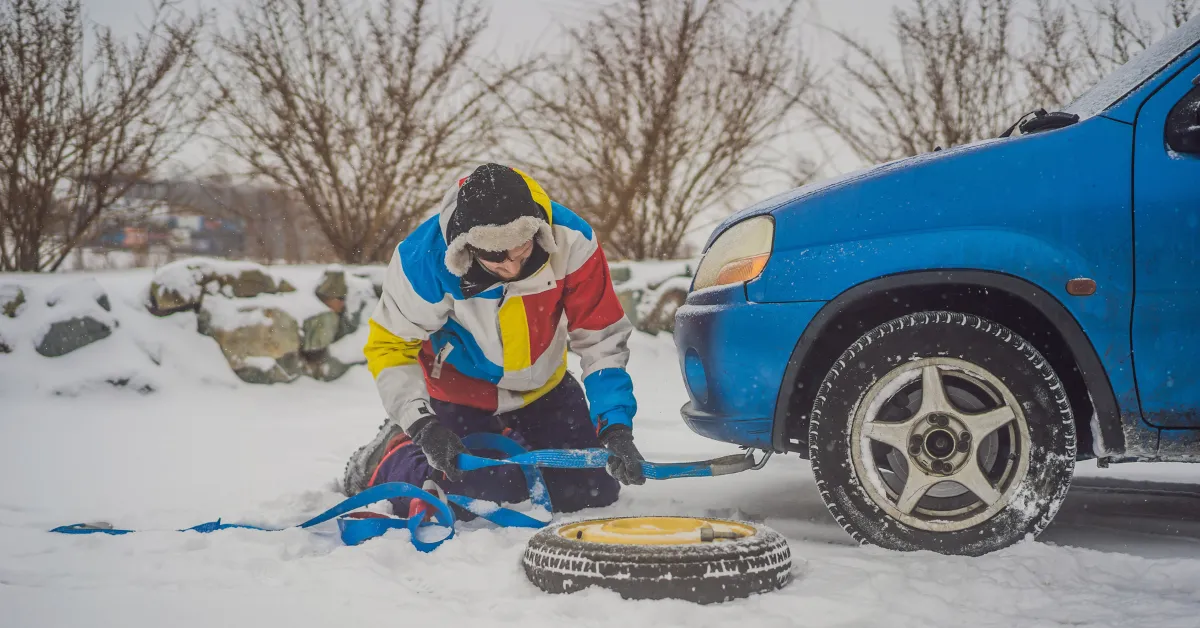

Driving is a part of everyday life, but unexpected events can happen at any time. One of the most alarming situations for any driver is a sudden tire blowout on the road. A car tire blowout can occur without warning and cause panic if you are not prepared. Staying calm, keeping control of your vehicle, and knowing the right steps to take can make all the difference. The key is understanding what to do and how to respond safely when a blowout occurs, especially at high speeds or in heavy traffic situations. Let’s explore how to handle this event like a confident and responsible driver.
Stay Calm and Keep Control
When a car tire blowout happens, the first and most important rule is to stay calm. Avoid slamming on the brakes, as this can make your car lose control. Instead, hold the steering wheel firmly with both hands to keep your vehicle steady. Gradually ease off the gas pedal and let your car slow down on its own. Try to keep your vehicle in the same lane and signal to other drivers if you need to move to the side. Once your speed has decreased, gently steer toward the shoulder or a safe area away from traffic. Turn on your hazard lights to alert others that you are experiencing a problem. If you need immediate assistance after a tire blowout, Georgia Prime Tow provides fast and reliable roadside support to get you back on the road safely.
Steps to Take After a Tire Blowout
After stopping safely, take a deep breath before getting out of the vehicle. Check your surroundings carefully, especially if you are on a busy road or highway. If you must inspect your car tire blowout, do so from the passenger side to avoid passing vehicles. If you have roadside assistance or a spare tire, now is the time to use them. However, if you feel unsafe or the location is too risky, remain inside the car with your seatbelt fastened and call for professional help. Never attempt to change a tire on the traffic side of the road or near moving vehicles. Safety should always come first.
Common Causes of Tire Blowouts
Knowing what causes a car tire blowout can help prevent one in the future. Most blowouts occur due to underinflated tires, which create extra friction and heat. Driving on damaged, old, or worn-out tires also increases the risk. Sharp objects, debris, or potholes on the road can instantly damage a tire and cause a blowout. Overloading your car beyond its weight limit can also stress the tires and lead to sudden failure. To reduce the risk, check your tire pressure monthly, rotate your tires regularly, and replace them when tread wear becomes noticeable. Proper maintenance is the best defense against dangerous tire incidents.
How to React During a Highway Blowout
If your car tire blowout happens at highway speed, controlling your emotions is essential. The sudden noise and vibration can be frightening, but overreacting can make the situation worse. Do not jerk the steering wheel or make sudden movements. Instead, focus on keeping the car straight and stable. Let it slow down naturally, then carefully pull off to a secure area. Once stopped, inspect your tires visually if it is safe. Even if you replace the flat with a spare, it’s best to have all your tires checked by a professional soon after. They can ensure no hidden damage remains that could cause future problems.
Tips to Prevent Future Tire Blowouts
Preventive care plays a big role in avoiding a car tire blowout. Make sure your tires are properly inflated based on your vehicle manufacturer’s recommendations. Look for cracks, bulges, or uneven wear every few weeks. Avoid driving over debris or potholes whenever possible. Keep your tires clean and free of oil or chemicals that may weaken rubber. During long road trips, take short breaks to let your tires cool down, especially in hot weather. By staying proactive and attentive, you can greatly lower the chances of facing a tire blowout unexpectedly.
Be Prepared for Emergencies
When traveling, always keep emergency essentials in your car. A spare tire, jack, flashlight, and first aid kit can help during a car tire blowout emergency. Having roadside assistance contact numbers stored in your phone can save valuable time. Educate family members or new drivers on how to stay calm if they experience a blowout. Safe driving habits and awareness go a long way toward preventing accidents. Remember, the goal is not just to fix the problem but to ensure everyone stays safe throughout the situation. With the right knowledge and mindset, you can handle a blowout confidently and protect yourself and others on the road.
Frequently Asked Questions
What should you do if you have a tire blowout?
If you experience a tire blowout, hold the steering wheel firmly, stay calm, and slowly reduce speed. Avoid braking suddenly and move to a safe spot. Turn on hazard lights and call for roadside assistance if needed.
What causes a tire blowout?
A tire blowout usually happens because of low air pressure, excessive heat, or worn-out tires. Sharp debris, overloading, or poor maintenance can also lead to sudden failure.
How can I prevent a car tire blowout?
You can prevent blowouts by checking tire pressure regularly, rotating your tires, and avoiding overloading your vehicle. Replace old or damaged tires as soon as possible.
Can a tire blowout cause an accident?
Yes, if not handled correctly, a blowout can cause loss of control and lead to accidents. Staying calm and following safety steps can help prevent this outcome.
Should I keep driving after a tire blowout?
No, driving on a blown tire is dangerous. Pull over safely, turn on hazard lights, and inspect the damage. If you don’t have a spare, contact a professional for help.
Need Professional Help After a Tire Blowout?
If you ever face a car tire blowout or roadside emergency, our team at Georgia Prime Tow LLC is here to assist you quickly and safely. Call us anytime at 770-524-2227 or email gaprimetow@gmail.com for reliable towing and roadside support.